Loading blog details...
Related Blogs
Loading blog details...
Loading blog details...
Related Blogs
Loading blog details...

Are you fascinated by the dynamic world of product development but find yourself confused between two crucial roles - Product Designer and Product Manager? Well, fret no more! In this blog post, we are here to unravel the mysteries and unveil the distinctions that set these two professionals apart. Whether you aspire to craft an exceptional user experience or take charge of strategic decision-making, join us as we delve into the captivating realm of Product Designers and Product Managers. Discover their unique skill sets, responsibilities, and how they collaborate harmoniously to create groundbreaking products that captivate both your imagination and market demand. So gear up for a journey filled with insights, knowledge bombs, and a whole lot of inspiration!

Product design managers are responsible for the look, feel and overall experience customers have with a product. They work with user experience designers, researchers, and engineers to ensure that products are easy to use and meet customer needs.
Product managers also play an important role in shaping the product strategy and roadmap. They work with stakeholders to understand what customers want and need, and then prioritize features and functionality accordingly. Product managers also work closely with marketing and sales teams to ensure that products are launched successfully and generate revenue.
The role of product designer/manager is important because they are responsible for creating products that meet customer needs and solve real-world problems. They also play a key role in developing the product strategy and roadmap, which directs the development of the product. Additionally, product designers/managers work closely with marketing and sales teams to ensure successful launches and commercialization of products.
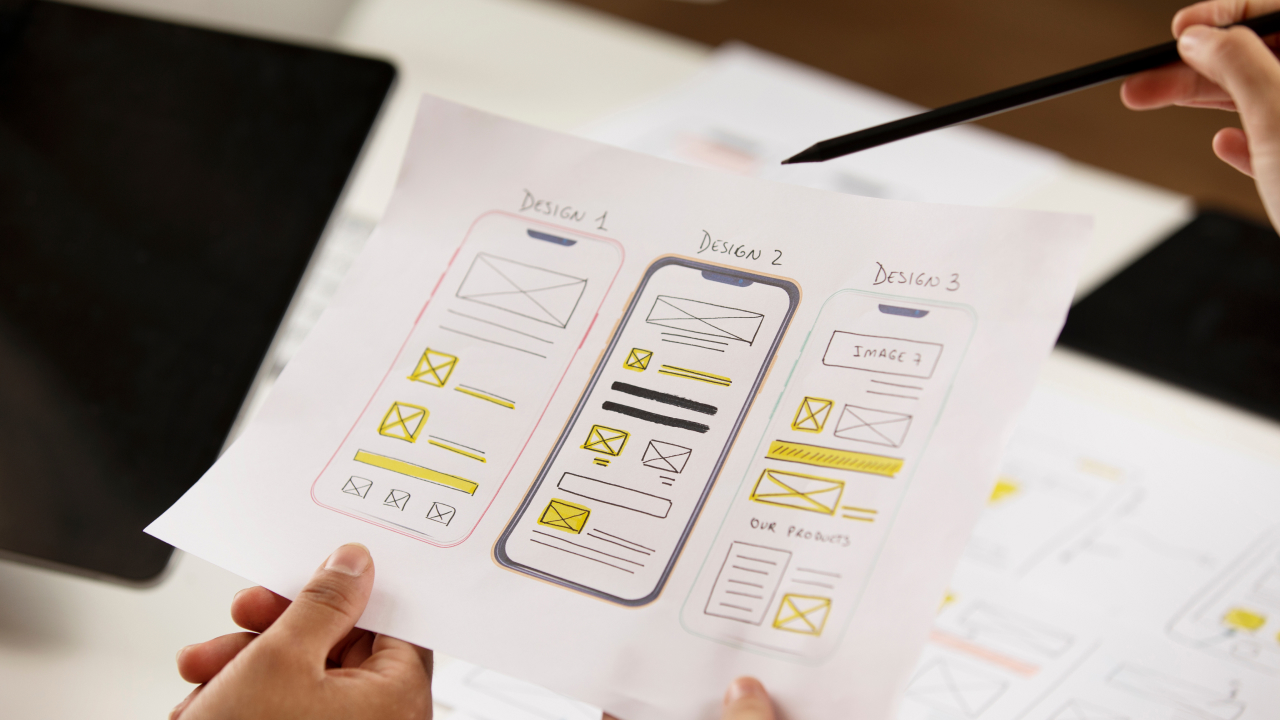
Product design is the process of creating a new product or improving an existing one. It involves creativity and problem solving, as well as a deep understanding of users and their needs. The final result is a product that is both useful and appealing to customers.
Product managers are responsible for the business side of product development. They develop strategies for marketing and selling the product, and they work with designers to ensure that the product meets customer needs. They also oversee production and track sales data to help improve future products.
Product managers and product designers are both integral to the success of a product, but they have very different roles. A product manager is responsible for the strategy and roadmap for a product, while a product designer is responsible for the actual design of the product.

There are a few key skills that are required for each role:
1. For product managers:
2. For product designers:
A product manager is responsible for the vision and strategy behind a product. They collaborate with cross-functional teams to bring a product to market and ensure its success. A product designer is responsible for the user experience and design of a product. They work closely with engineers to implement the product's functionality.

Product managers have a lot of responsibility when it comes to shepherding a product from idea to delivery. In most organizations, product managers wear many hats, but there are three core areas of responsibility that fall under the product manager purview:
1. Developing the product strategy: This includes ideation, market research, writing user stories and requirements, and managing the product roadmap.
2. Leading the cross-functional team: The product manager is responsible for putting together the right team of engineers, designers, QA, etc. to build the product. This also includes coordinating and facilitating communication between team members.
3. Managing stakeholder expectations: The product manager is the point person for stakeholders (e.g., executives, investors, customers) and is responsible for setting and managing expectations around the product.
There are a lot of similarities between product designers and product managers, but there are also some key differences. For one, both roles require a deep understanding of the product and the market. They both need to be able to articulate the vision for the product and align stakeholders around that vision. They also need to have a strong understanding of the users and what they need and want from the product.
However, there are some key differences between the two roles. Product designers are focused on the design and user experience of the product, while product managers are focused on the strategy and business side of things. They are responsible for setting goals and objectives for the product, while product designers are responsible for ensuring those goals are met through their design. Product managers also typically have more of a business background than product designers do.
There are many advantages of having both a product designer and manager on board when developing a new product. By working together, these two essential team members can ensure that the product is designed to meet the needs of the target market and that it is produced efficiently and effectively.
Some of the specific advantages of having both a product designer and manager include:
The differences between a product designer and product manager may be subtle, but it is important to understand the nuances of each role. A Product Designer focuses on design and aesthetics while a Product Manager has a more holistic approach towards the management of the project from start to finish. Having an understanding of these roles will help businesses make informed decisions about their development projects when envisioning different products or services. With this knowledge in hand, teams can build out inspiring products that are designed thoughtfully and successfully managed professionally.

45 Reviews

45 Reviews